When an office or storefront gets stuck with keys, the right responder can restore service fast. Selecting a commercial locksmith should factor in 24 hour availability, experience with office hardware, and clear pricing. In many markets you can check reviews and credentials and then call locksmith Orlando for an estimate embedded in the emergency locksmith near me early planning stage, and that simple step can shave hours off a real emergency.
How business lockouts change the stakes.
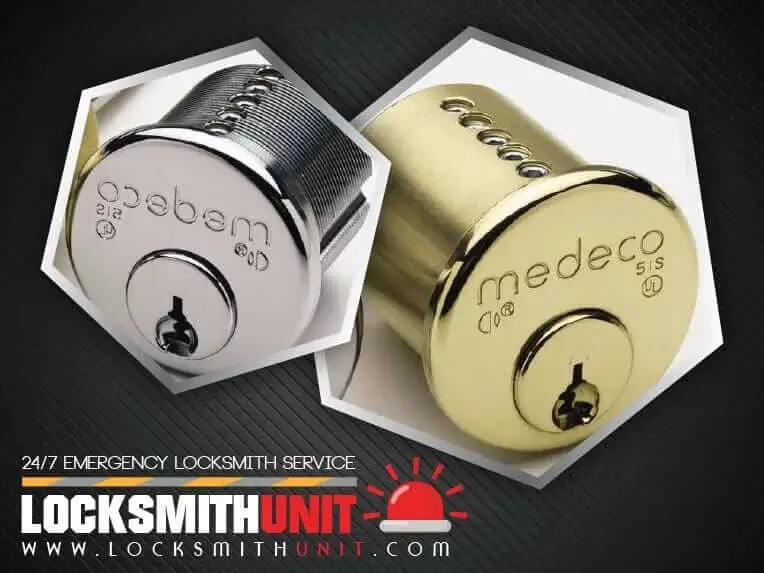
A business lockout often means lost revenue and employee downtime, so priorities shift from one-off convenience to rapid operational recovery. Many business locks are mortise, cylindrical, or part of an access control system, and that hardware requires technicians trained in commercial standards.
Signs you should call a 24 hour commercial locksmith instead of waiting for morning.
If employees are locked out mid-shift, if a main entrance cannot be secured after hours, or if a break-in damaged hardware, you should call now. In another case a manufacturing plant had an access control fault at shift change, and technicians who could program keys on-site avoided overtime for dozens of workers.
How a commercial locksmith typically handles an urgent call.
Expect an initial call that clarifies the lock type, access constraints, and any security systems so the technician arrives prepared. If an alarm or panic bar is involved, the locksmith coordinates with building management to avoid tripping systems while restoring secure access.
Understanding emergency locksmith rates and fair charges.
Emergency calls commonly include a base service fee, an hourly labor component, and the cost of parts, which together determine the final price. Expect variations by region and by lock complexity; a simple cylinder swap might be a few hundred dollars while an electronic strike plus programming could run higher.
Questions to ask when pre-qualifying a business locksmith.
Ask for a license or registration if your state requires it, confirmation of insurance, and references from other commercial clients. If you run a multi-location business, ask whether the locksmith offers fleet pricing or recurring maintenance agreements.
When to rekey instead of full replacement.
Replace locks when the current hardware is damaged, obsolete, or incompatible with your security plan, or when you want upgraded cylinders with higher protection. Rekeying can be performed on most commercial cylinders in 15 to 45 minutes per door, whereas replacing a mortise lock or electric strike often takes longer and may require door adjustments.
Troubleshooting electrical entry issues before calling a locksmith.
When a badge stops working, the problem may be a dead battery in the reader, a disabled credential, or a corrupted database entry. If your system integrates with alarm monitoring, coordinate with the alarm company so resets do not trigger false alerts.
Handling vehicle key issues for company fleets.
Company fleets and delivery drivers create a small but important category of calls, and a car locksmith with key programming capability keeps operations moving. For high-value fleets, maintaining a key log and rotating spares reduces risk and prevents emergency calls during peak hours.
Simple policies that limit losses during a lock incident.
Document critical doors, lock types, and preferred suppliers so staff can give precise information during an emergency call. Periodic drills are unnecessary, but an annual review of vendor contacts and access-control credentials prevents surprises during a real lock issue.
Special considerations for healthcare, finance, and government spaces.
High-security sites often need certified cylinders, restricted keyways, or audit-capable electronic locks, and technicians must be familiar with those standards. For secure areas, consider locks that allow auditing of entries rather than simple mechanical solutions, because those records can be vital after an incident.
Why mobile vans matter for fast commercial service.
A commercial locksmith's van generally stocks cylinders, mortise hardware, electric strikes, keypad modules, and a range of tool bits to minimize return trips. For frequent issues, a maintenance contract that includes parts discounts and stocked spares on site is worth the investment.
Managing complexity in multi-access systems.
Use master keying when operational efficiency requires it, but design the system with restricted keyways and limited duplication controls. I once inherited a facility where dozens of duplicates had been made; rekeying and moving to a restricted keyway solved the problem with a single planned outage.
What to look for in a long-term vendor.
A long-term supplier knows your sites, preferred hardware, and past fixes, which reduces diagnosis time and improves response quality. For businesses with multiple locations, a single vetted provider reduces procurement headaches and ensures consistent standards across sites.
How not to handle a suspected break-in or security breach.
Avoid hiring the first low-cost responder without checking credentials, because inexperienced techs may create safety or fire-code violations. If you suspect a criminal entry, contact law enforcement before allowing repairs so evidence is preserved, and then have a locksmith secure the scene.
How to compare quotes and avoid surprises.
Check whether the quote includes disposal of old components and whether there are warranty provisions for workmanship. If one quote looks much lower, confirm whether it uses inferior parts or omits critical steps like strike reinforcement.
Low-cost measures that prevent lock failures.
Install door closers and threshold plates where misalignment accelerates wear, and reinforce high-traffic strikes to limit frame damage. A small maintenance budget for locks yields outsized returns in reduced emergency calls.
How to verify the job was done right.
Verify that locks operate smoothly, that keys match expected access levels, and that any electronic credentials are tested across doors. Keep the receipt and warranty paperwork with the building maintenance records.
Weighing upfront costs against operational gains.
If you manage hundreds of users, badges and PINs often reduce lost-key incidents and the cost of rekeying. Choose hardware that allows local offline failover to avoid lockouts when networks fail.
Quick information to have ready on the phone.
If possible, identify whether the lock is mechanical, mortise, or electronic and whether there is a master key system; this saves diagnostic time. Provide a clear map or instructions for parking to avoid delays in busy downtown areas.
Why a little preparation pays off.
Good hardware and defined processes convert a potential crisis into a quick service call and preserve business continuity. When you factor in the cost of lost sales or late deliveries, an emergency locksmith becomes an inexpensive insurance policy against avoidable downtime.